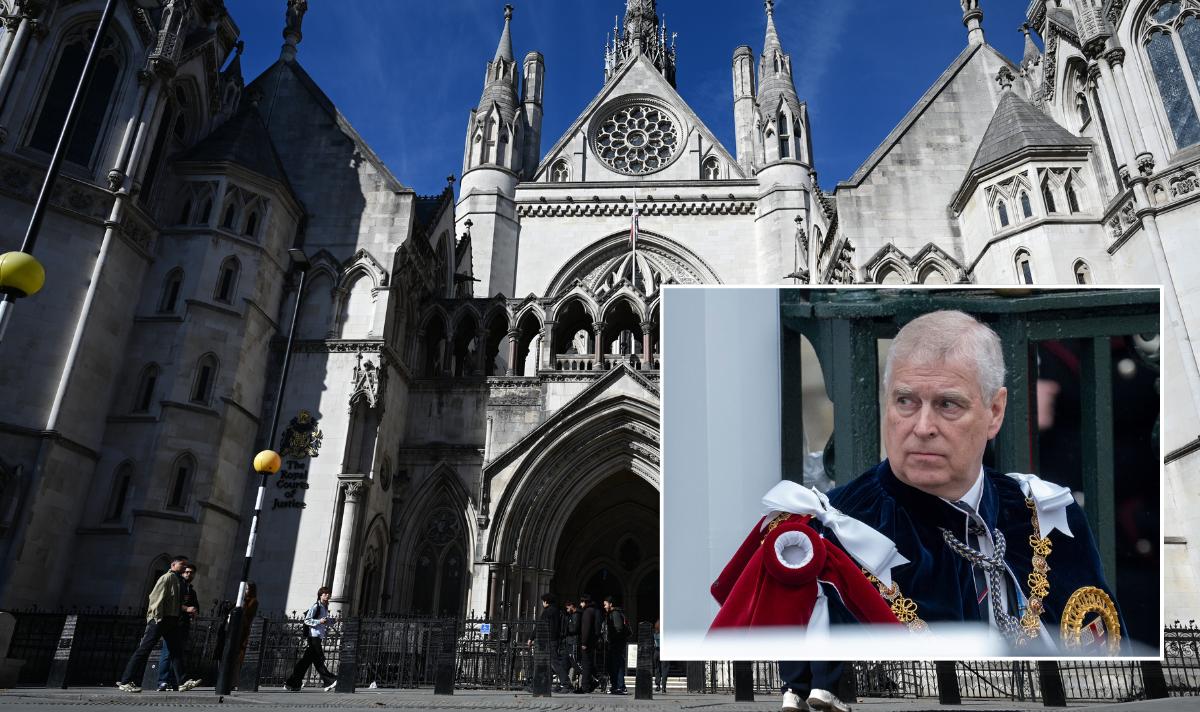
A High Court judge has confirmed that Andrew Mountbatten-Windsor and Thames Valley Police reached an agreement that search warrants used to raid two of his properties in February 2026 were unlawful and should be quashed.The ruling was delivered on Thursday at the Royal Courts of Justice, where Mr Justice Hilliard presided over a hearing that Mr Mountbatten-Windsor himself did not attend.The warrants, originally granted on February 18, 2026, had authorised officers to search premises in both Norfolk and Berkshire as part of a police inquiry into alleged misconduct in public office.The High Court formally quashed the warrants on July 22, with both parties accepting that the legal basis under which they were originally issued by an Old Bailey judge was incorrect.A High Court judge has confirmed that Andrew Mountbatten-Windsor and Thames Valley Police reached an agreement that search warrants used to raid two of his properties in February 2026 were unlawful and should be quashed | GETTYDespite the warrants being struck down, Mr Justice Hilliard was careful to stress the limits of the ruling. He stated that “the fact that the search warrants were quashed does not bring an investigation to an end, or mean that the whole of the investigation was unlawful”.The judge’s remarks made clear that the agreement between the two parties related solely to the legal mechanism through which the warrants had been obtained, rather than casting doubt on the broader criminal inquiry.Thames Valley Police echoed this distinction, emphasising that “the agreement that led to the quashing of the warrants relates specifically to a decision made by the court regarding the legal basis for these and is not a judgement on our ongoing investigation”.In a detailed statement, the force confirmed it accepts that the original court’s decision to grant warrants under the specific legislation used was wrong, meaning they had to be legally quashed.Andrew Mountbatten-Windsor initiated legal proceedings against the police after alleging that officers had taken personal and confidential items during the raids that bore no connection to the criminal investigation | GETTYThames Valley Police stressed that it had “ensured the court was presented with all the necessary information and paperwork to inform their decision, following the correct legal processes throughout”.Separate legal proceedings are now under way to determine the fate of items seized during the searches, including whether the force can lawfully hold on to the material to support its continuing inquiry.The force confirmed that its “investigation into alleged misconduct in public office by a man in his 60s from Norfolk remains ongoing”, adding that it continues “to pursue all reasonable lines of enquiry to effectively and fairly progress this investigation”.Owing to the active legal proceedings, the force declined to comment further.Mr Mountbatten-Windsor initiated legal proceedings against the police after alleging that officers had taken personal and confidential items during the raids that bore no connection to the criminal investigation.The former Duke of York brought a judicial review challenge against the search warrants that had permitted detectives to enter his Norfolk home and his previous residence in Windsor in February.Beyond contesting the police’s conduct during the searches, his legal team is also seeking a High Court determination on whether the Old Bailey judge who originally authorised the warrants acted lawfully in doing so.The outcome of these continuing proceedings will shape how the seized material is handled and whether any of it may be used in the ongoing misconduct investigation.