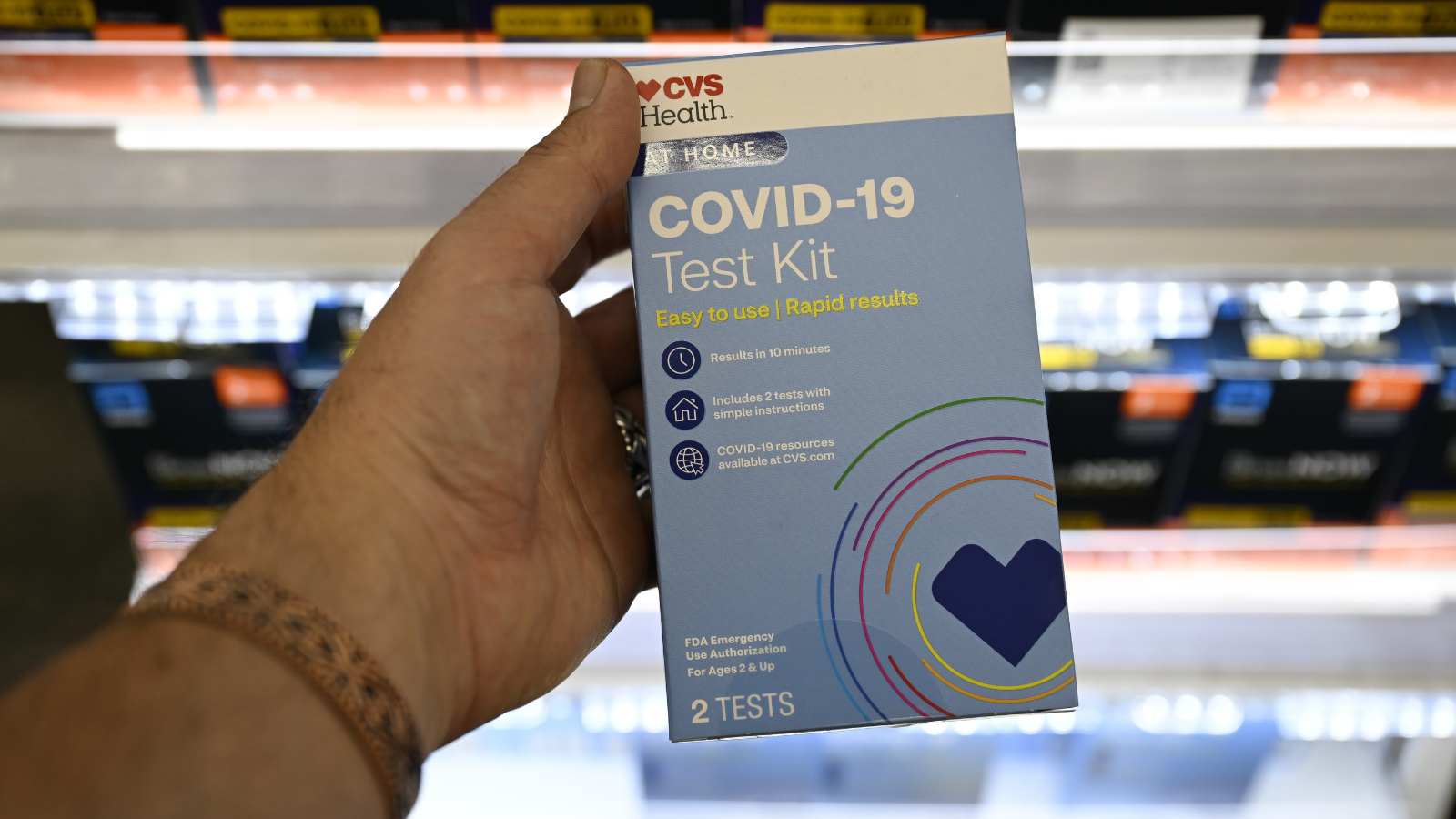
A Covid warning has been issued as a new American variant has started to rapidly spread across the UK.The strain, officially designated XFG or “Stratus,” earned its nickname because it is the dominant variant over in the States.It now makes up more than half of all positive tests in the UK as well, according to the UK Health Security Agency (UKHSA).The hospital positivity rate climbed from 5.9 per cent to seven per cent as of last Thursday.Meanwhile, admissions to hospital jumped by nearly 50 per cent, with London recording the sharpest rise at a startling 79 per cent.In the week to September 23, infections rose by almost 30 per cent, from 1,061 to 1,364.XFG has been identified as the latest offshoot of the Omicron variant, which first appeared in 2021 amid the various lockdowns. The “X” indicates it is a hybrid of two sub-lineages, LF.7 and LP.8, while “FG” is simply a tracking label.Stratus is the dominant variant in North America | GETTYPublic health officials gave it the name Stratus, after the low-lying grey clouds.The strain was first identified in 2025 over in the States – and it is now behind the current spike in UK cases.Dr Alex Allen, a consultant epidemiologist at the UKHSA, said: “The strains currently going around, including those known as XFG, are closely related to strains that have been with us for over a year, so this isn’t something new.”Common symptoms of XFG include congestion, cough, fever, headache, runny nose and muscle aches.A sore, hoarse throat appears to be the most distinctive feature of this strain | GETTYA sore, hoarse throat appears to be the most distinctive feature of this strain, with the painful symptom dubbed “razor-blade throat” in the media.The virus remains mild for most people but can prove dangerous or fatal for others, particularly those aged 75 and over or with weakened immune systems.Experts have said the variant is unlikely to trigger another pandemic, suggesting instead that we must now coexist with Covid.Dr Allen said: “While Covid-19 activity has shown some recent increases, cases remain at low levels in the UK.”He added: “We’re also not seeing any evidence that these are making people more ill or spreading faster than before, and this year’s autumn vaccine has been specifically designed to protect against them.”The NHS has advised anyone who tests positive to stay home for at least five days if over 18, or three days if younger.Those with a positive result should also avoid contact with immunocompromised individuals for 10 days after taking the test.Health officials are encouraging eligible people to get their Covid and flu jabs before winter, when respiratory viruses tend to spread more widely.