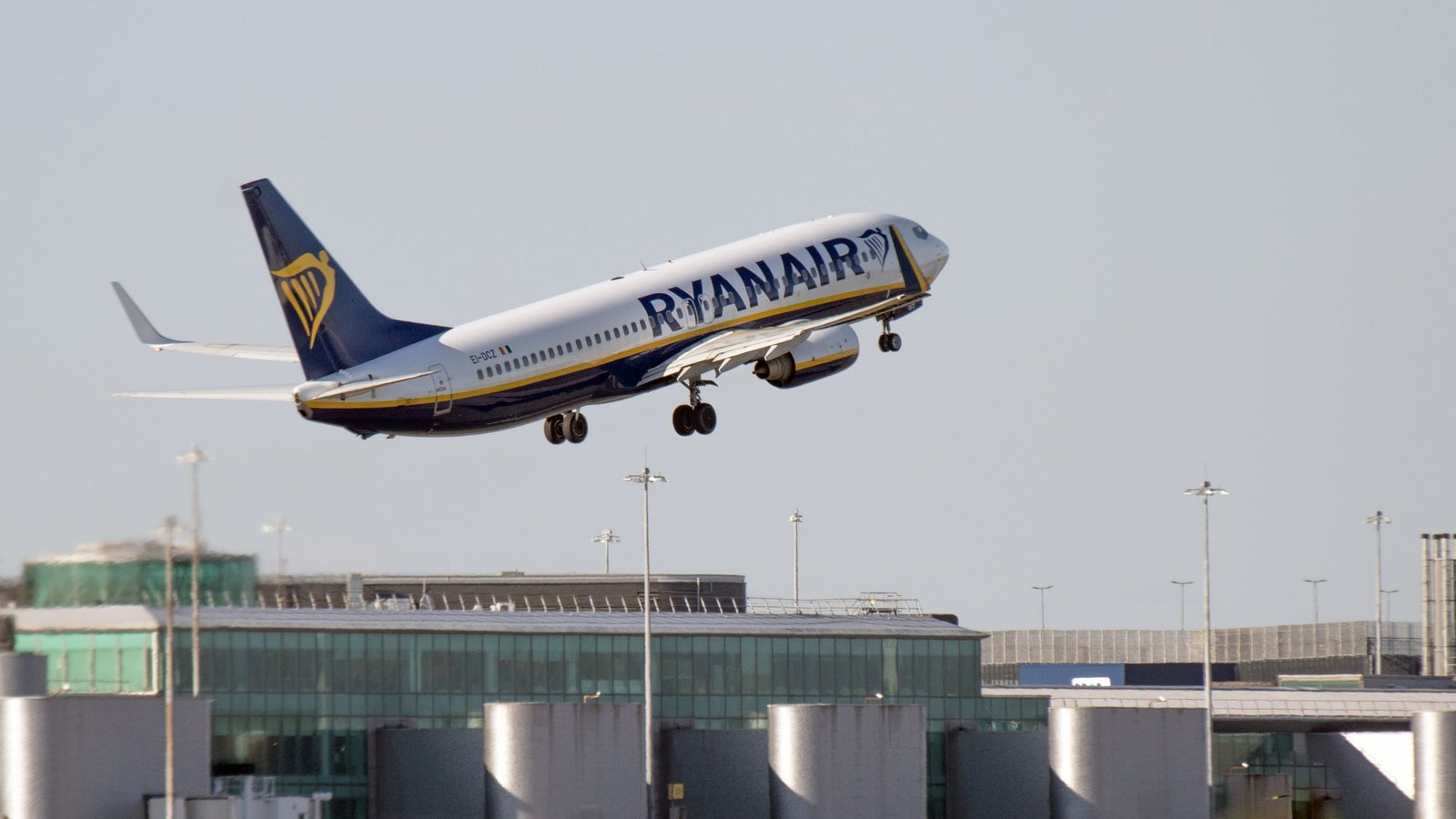
Ryanair was forced to scrap more than 1,000 flights last month after what it described as a “collapse” in Britain’s air traffic control system. The budget carrier said the cancellations were also driven by air traffic control strikes in Belgium and volcanic ash clouds drifting across Europe from eruptions of Mount Etna in Sicily.Two separate failures in the UK’s air traffic control infrastructure struck within just a fortnight of each other during September. The disruption rippled across the aviation industry, with thousands of flights grounded and hundreds of thousands of passengers left stranded.The first incident occurred on September 8, when a software fault in the air traffic control system triggered widespread flight chaos across the country. Less than two weeks later, a separate “connectivity issue” at the National Air Traffic Services centre in Prestwick, Scotland, caused further significant disruption. Nats confirmed the two problems were unrelated, compounding concerns about the reliability of Britain’s aviation infrastructure.Martin Rolfe, the chief executive of Nats, has faced mounting pressure to step down in the wake of the failures.Ryanair cancels over 1,000 flights | RYANAIR The series of breakdowns affected airlines across the sector, not just Ryanair, leaving vast numbers of travellers unable to reach their destinations.Ryanair has been among the most vocal critics, publicly calling for Mr Rolfe to resign from his position. The Irish airline is not alone in its frustration, with pressure building from across the aviation sector for accountability over the repeated failures.Two separate failures in the UK’s air traffic control infrastructure struck within just a fortnight of each other | GETTYTransport Secretary Heidi Alexander has responded by arranging a meeting with Nats chairman Sir Warren East in the coming weeks to address the crisis. Sir Warren, who previously served as chief executive of Rolls-Royce, will be expected to explain how the organisation plans to prevent further breakdowns. The discussions are likely to focus on the systemic weaknesses exposed by September’s twin failures.Despite the disruption, Ryanair’s September traffic figures showed resilience. The airline carried 20.1 million passengers during the month, a four per cent increase compared with the same period last year, operating more than 111,700 flights in total.Fellow budget carrier Wizz Air reported even stronger growth, with passenger numbers climbing 24 per cent year on year to 7.78 million. Wizz Air recently announced plans to trim its flight schedule by five per cent during the second half of 2026 | PACapacity rose by 25.3 per cent over the same period.However, Wizz Air recently announced plans to trim its flight schedule by five per cent during the second half of 2026. The airline attributed the cutbacks to broader pressures on the travel industry stemming from the Iran conflict and surging fuel costs.