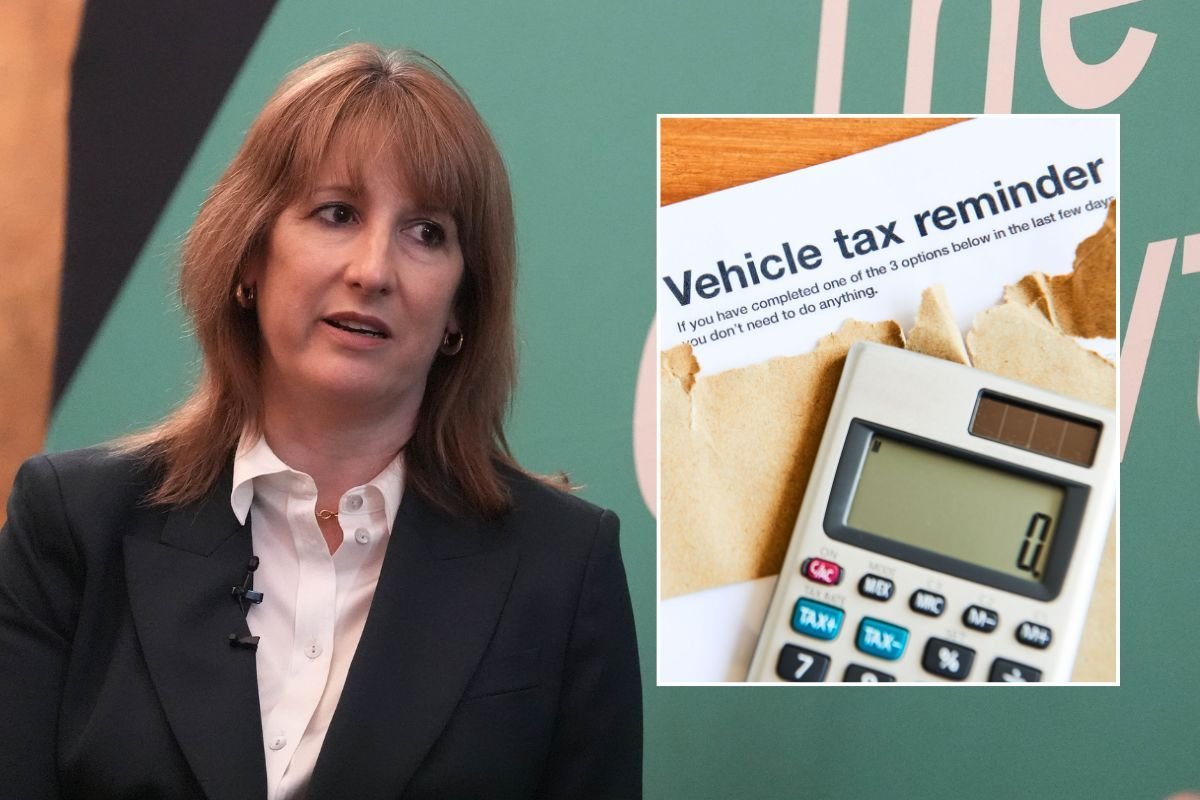
Experts have warned that the introduction of new pay-per-mile car tax changes could have a huge impact on electric vehicle sales as the Government prepares to roll out the measures.Chancellor Rachel Reeves confirmed in last year’s Autumn Budget that drivers would face costs of three pence per mile for electric cars and 1.5p for hybrid car owners.The rules, which are set to be introduced in 2028, attempt to claw back revenue from money lost as a result of motorists switching away from petrol and diesel vehicles, and the drop in fuel duty receipts.When the Electric Vehicle Excise Duty (eVED) rules are introduced, EV owners will pay half the equivalent fuel duty rate for petrol and diesel cars.Alongside the announcement in the Budget, the Government launched a consultation into how the rules could be implemented without harming the uptake of EVs.It highlighted that there would be no requirement for drivers to report when and where the miles were driven, in a bid to “protect motorists’ privacy”.Matthew Walters, EV expert at Ayvens, highlighted data from the Department for Transport, which shows that there are more than two million electric vehicles on the road across the UK.He noted that the milestone achievement for the EV sector and the UK made the timing of the new pay-per-mile tax “particularly significant”.Chancellor Rachel Reeves’ pay-per-mile car tax changes have come under fire | PA/GETTYMr Walters added: “For many drivers, the appeal of going electric has been about simplicity and predictability – lower running costs, fewer moving parts, and clearer day-to-day expenses.”Introducing a mileage-based charge risks adding a new layer of cost and complexity at exactly the point confidence in EVs is starting to build.”The expert stated that electric vehicles would continue to make sense as a viable financial alternative to motorists when taking all costs into account.Motorists who charge their electric vehicles at home can pay as little as 2p per kWh, making it much cheaper than filling up with petrol or diesel.Pay-per-mile car taxes are being introduced in 2028 to combat losses from falling fuel duty receipts | PAAverage households could be able to save hundreds of pounds when charging at home, further adding to the low running costs.Labour estimates that from April 2028, the average electric vehicle driver will pay around £240 a year or £20 a month.It pledged a further £100million in electric vehicle charging infrastructure alongside the proposed introduction of PPM car taxes, which built on the £400million outlined for home and workplace chargers.Data from Zapmap shows that there are more than 120,000 chargers across the UK, with 1,308 being added in the last month alone.Dozens of vehicles are available under the Electric Car Grant, including the Hyundai Kona Electric | HYUNDAIMr Walters warned: “The bigger risk is behavioural: rather than switching back to petrol or diesel, more consumers may simply decide to wait and see how the market and policy environment evolves. “At a pivotal moment in the transition, that hesitation could slow momentum more than any single policy change on its own.”The nationwide spread of electric vehicles will continue over the coming months as more drivers make use of the Electric Car Grant, which has been backed by almost £2billion in funding.More than 100,000 drivers have already used the incentive scheme to save up to £3,750 off the price of a new electric car with a list price of £37,000 or less.