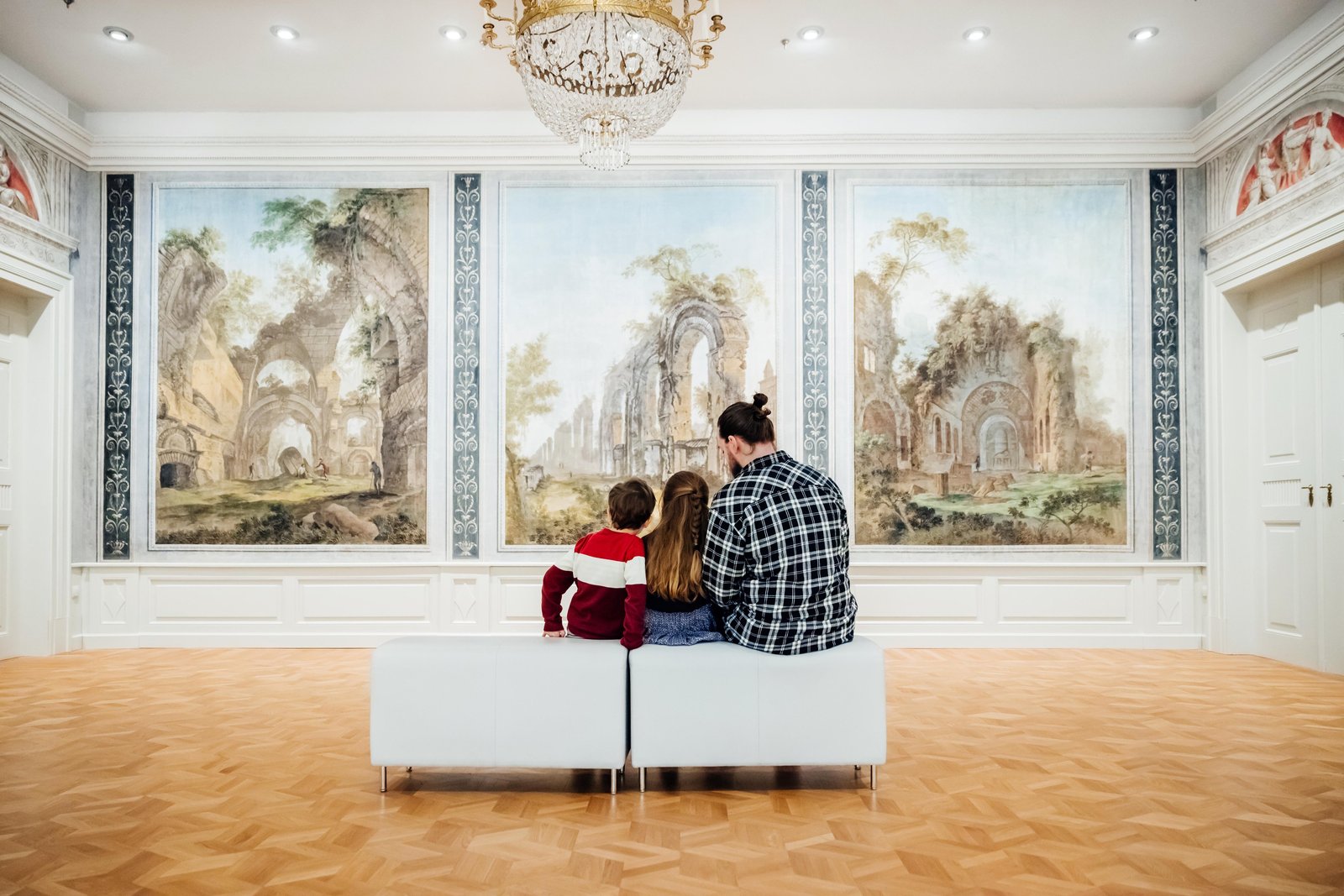
A trip to the cinema or an afternoon wandering through a gallery may prove just as beneficial for longevity as a session at the gym, according to new research.Scientists examining biological ageing have found that regular cultural participation—including visits to museums, theatres and picture houses—”can be comparable” to frequent physical activity in its effects on the body.The findings, published in the Journal of Epidemiology and Community Health, suggest that swapping the treadmill for the National Gallery might not be such a poor trade after all.The study analysed data from the English Longitudinal Study of Ageing, tracking adults over 50.Cultural activities appear to slow the pace of physiological ageing | GETTYResearchers examined responses from nearly 2,000 participants who detailed their frequency of attending cinemas, theatres, concerts, opera performances, museums and art galleries.From these responses, the team constructed a cultural engagement score between 0 and 15.Nurses conducted assessments of ten physiological indicators, measuring factors such as body mass index, grip strength, walking pace and diastolic blood pressure.Those who scored higher on cultural participation tended to be female, employed and in better overall health.The combination of self-reported cultural habits and objective physical measurements allowed scientists to draw connections between artistic pursuits and the body’s ageing process.The analysis revealed a striking difference between regular and infrequent cultural participants.Those who attended museums, galleries, cinemas and similar venues every few months demonstrated a physiological age of 66.9 years—a full three years younger than individuals who engaged less often.The research concluded that elevated levels of cultural engagement are “significantly associated” with reduced physiological ageing.Scientists described the promotion of cultural activities as a “promising strategy to slow the pace of physiological ageing and support healthy ageing in older adults.”They emphasised that cultural engagement represents a modifiable behaviour, making it “an effective intervention point for healthy longevity.”The researchers noted that improving geographical and financial access to cultural venues and events would broaden opportunities for regular participation.Community-based cultural programmes may also strengthen social connections, they suggested.The study cited a 10-week museum initiative featuring curator talks, object handling and arts activities that enhanced emotional wellbeing among socially isolated older adults.Cultural activities can strengthen social connections | GETTYThis latest research builds upon earlier findings from University College London, which discovered that weekly arts engagement—including museum visits, reading and listening to music—corresponded to participants being biologically one year younger than those who rarely pursued such activities.Weekly exercise, by comparison, was associated with being just over six months younger on average.