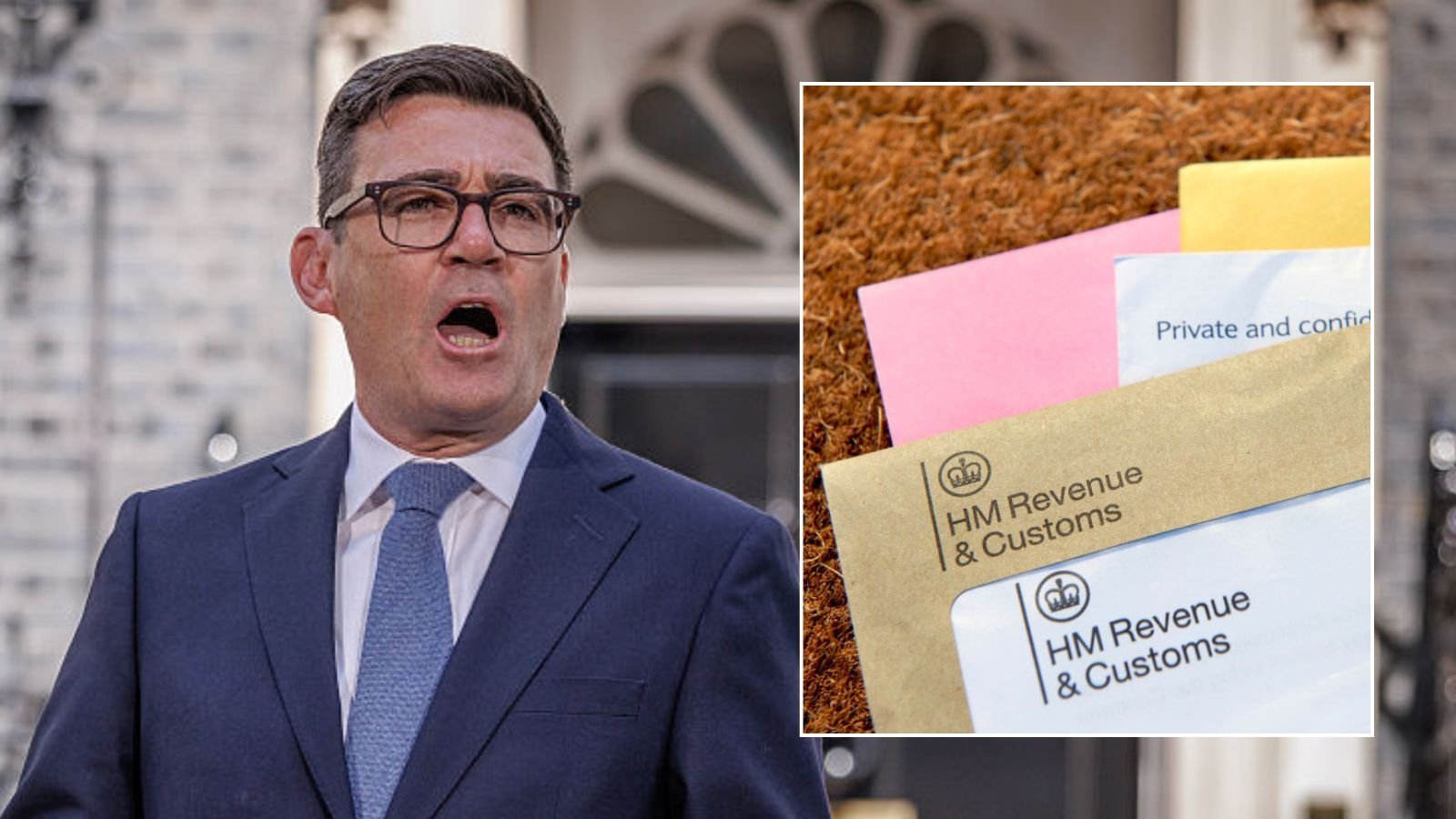
Prime Minister Andy Burnham has stepped back from a multibillion-pound proposal to raise the personal income tax allowance.The former Greater Manchester Mayor had explored whether he could announce an end to the five-year freeze on the £12,570 threshold, which he described as “a growing issue” for the public.Speaking to The Financial Times, he shared: “There is not any commitment to do it.”Mr Burnham told ministers in his inaugural meeting in Number 10 Downing Street: “What he was saying is that people are feeling unheard.Mr Burnham appears to have backtracked on a previous tax proposal | GETTY “We’ve got to show fiscal discipline, we have got to show our commitment to the fiscal rules is real.” Those rules, inherited from his predecessor’s government, require day-to-day spending to be balanced with tax receipts by 2029-30.Colleagues and Whitehall officials revealed that Mr Burnham had explored making an early announcement on the allowance, but ultimately retreated owing to the expense. Any change would have come into force from April 2027.According to the Resolution Foundation, uprating the threshold in line with inflation across 2027-28, 2028-29 and 2029-30 would carry a price tag of £9.2billion by the final year. Even a one-off increase in 2027-28 alone would cost £3.7billion.John Healey is the new Chancellor | PAOne ally to the Prime Minister added: “It was a reasonable thing for him to ask about.”Speaking to reporters on Monday, he acknowledged the issue would be examined at the Budget but cautioned: “Obviously it’s difficult, given the financial circumstances in which we find ourselves.” Rather than tackling the allowance freeze immediately, Mr Burnham unveiled an £850million package on Tuesday to reduce household electricity bills by stripping VAT from them this winter.Downing Street said the measure would shave roughly £45 off a typical annual electricity bill, with the cost estimated at around £850million for 2026-27 based on projected energy prices. The policy is currently planned for this financial year only.Additional-rate taxpayers would be hit hardest, paying £270,000 in income tax and receiving £330,000 | CHATGPTTo cover the expense, the Government intends to scrap the digital ID scheme, which it said would yield savings of £1.8billion over the coming three years.Mr Burnham framed the VAT cut as a signal of intent, telling his cabinet it “points the way for further measures we hope to take”. The Government added that any additional action, including funding for longer-term policies, would be addressed at the Budget and kept consistent with its fiscal rules.That funding mechanism immediately drew fire from Darren Jones, who served as a cabinet minister under Sir Keir Starmer. Mr Jones branded the electricity bill tax cut “unfunded,” arguing that no money had been allocated to the digital ID programme in the first place.Both the Prime Minister and his new Chancellor, John Healey, used the occasion to stress their commitment to sound public finances. Mr Healey declared that “fiscal control is the first duty of any Chancellor”. He added: “It is the fiscal credibility that gets us economic stability, growth and national security”. A second fiscal rule obliges the chancellor to put national debt on a declining path relative to gross domestic product (GDP) by 2029-30.Mr Burnham’s allies also dismissed speculation that the prime minister might introduce a rent freeze as part of his cost of living strategy.