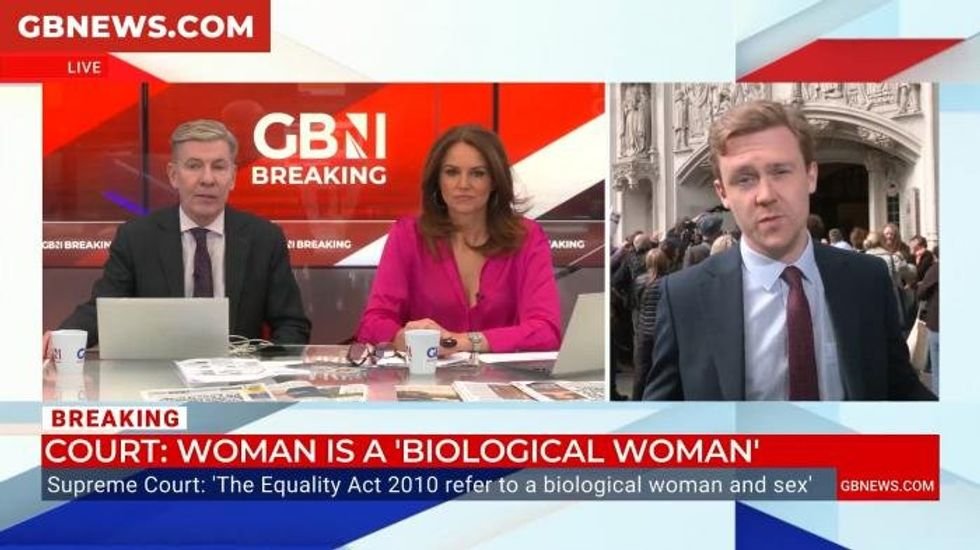
A transgender cricketer known only as ‘Lily’ is pursuing legal action against the England & Wales Cricket Board, alleging discrimination after being excluded from women’s cricket.The Good Law Project, headed by activist KC Jolyon Maugham, is leading the case on behalf of the amateur player.The lawsuit follows last year’s Supreme Court judgment, which determined that only individuals born female should be classified as women under the 2010 Equality Act.Lily, whose identity is being protected, has been described as an award-winning player who previously captained her team and worked as a junior coach.The Good Law Project initially revealed its intention to challenge the ECB in October, arguing the governing body’s blanket prohibition constitutes unlawful discrimination.Lily spoke of being “completely heartbroken” upon learning of the decision, claiming her teammates and opponents shared her devastation.The player said. “It was so upsetting to be ripped away from playing for the team I’d been part of for so long.”Despite it being such a huge shock, there wasn’t even really time to take it all in – immediately, I had to start worrying about how I was going to explain to people why I wasn’t playing anymore.”Stock photo of a female cricket player | GETTYThey added: “Coming out is always a risk, and it felt like I was being forced to come out to people I hadn’t felt the need to previously. “It made me feel guilty and ashamed even though I hadn’t done anything wrong.”The ban effectively compelled her to disclose her biological sex to people she had not previously informed.The Good Law Project maintains the prohibition has no bearing on professional cricket, where transgender women have already been barred from competing since 2024.The Good Law Project, headed by activist KC Jolyon Maugham, is leading the case on behalf of the amateur player | PAThe organisation said: “The ban has nothing to do with professional sport, where transgender women have been unable to compete since 2024. These rules are just hurting women who only want to play sport with their friends.”We’re helping Lily sue the ECB for discrimination under the Equality Act 2010. Lily, and players like her across the UK, are pillars of their community, and excluding them is a stain on women’s sport.”It’s time for the ECB to do the right thing, and that starts with scrapping its blanket ban on trans women.”A volunteer described as deeply involved in women’s cricket claimed conversations with players revealed the “overwhelming majority don’t have any issue at all playing alongside or against trans women.”In April 2025, the Supreme Court ruled that the term ‘woman’ in the Equality Act was defined by biological sex | GettyThe volunteer said: “They’re sad the ruling happened, and feel like the women’s game is worse as a result.”He reportedly proposed amending his league’s constitution to permit transgender women to continue participating, though such changes would require ECB approval.Former Olympic swimmer Sharron Davies, a prominent advocate for protecting women’s sporting categories, expressed alarm at the legal challenge.She told Telegraph: “I’m horrified. Yet again, this is all about shoehorning males into sport for females. The law has made it clear, and science has proved, we cannot remove all male physical advantage.”Helen Joyce (left) and Maya Forstater pictured celebrating the Supreme Court ruling | PAAn ECB spokesperson defended the governing body’s position, stating that its eligibility regulations for transgender players reflect the updated legal framework established by the Supreme Court ruling.The spokesman said: “Our regulations around eligibility for transgender players in women’s and girls’ cricket are based on the updated legal position following the Supreme Court ruling earlier this year, and the legal position hasn’t changed since then. “We are aware the Good Law Project intends to challenge this, and will respond to any challenge accordingly.”In a related case last August, Canterbury County Court rejected a discrimination claim by transgender pool player Harriet Haynes, with a judge ruling that exclusion was the only “reasonable” method to ensure fair competition.