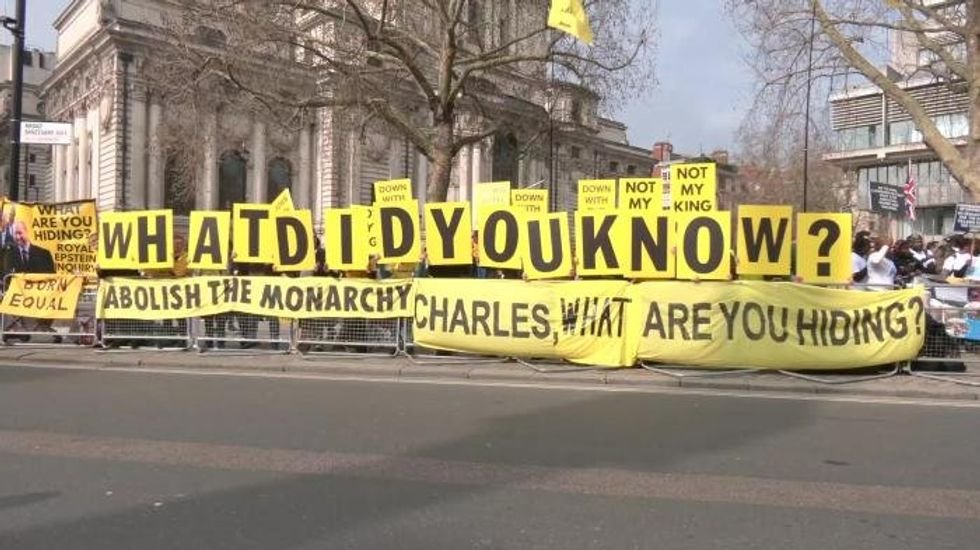
King Charles is holding “strategic conversations to protect the stability of the monarchy” as pressure continues to build over Andrew Mountbatten-Windsor’s place in the line of succession, PR expert Lynn Carratt has told GB News.The Government said on February 23 that it was “not ruling out action” over Mr Mountbatten-Windsor’s position, while he is currently eighth in line to the throne.The King marked Commonwealth Day this week with a message referring to “great challenge and great possibility” across the world, while the Royal Family attended the annual service at Westminster Abbey on March 9. The event came as anti-monarchy protesters gathered outside, and continued to cast a shadow over royal engagements.Mr Mountbatten-Windsor’s future in the succession has become a matter of political and constitutional debate after his arrest last month on suspicion of misconduct in public office. He has consistently denied any wrongdoing.King Charles responded, expressing his “deepest concern” and insisting that “the law must take its course.”MPs raised the issue directly in the Commons on February 24, with ministers pressed on whether legislation could be brought forward to remove him from the line. Any change to the line of succession would require legislation, and the Government has already acknowledged the high level of public interest in the matter.Defence Minister Luke Pollard indicated ministers had been working with Buckingham Palace on the issue and hoped any move would win cross-party backing.King Charles holding ‘strategic conversations to protect stability of monarchy’ | GETTYMs Carratt from E20 Communications told GB News that the monarch is unlikely to make his personal views public even as the debate intensifies.She said: “King Charles is in an exceptionally delicate position. As the King, he must remain politically neutral, so he cannot publicly endorse legislation removing Andrew from the line of succession, even if he personally supports it.”She added that Charles is likely to oversee developments privately rather than intervene in public debate: “Instead, his role will likely be one of quiet oversight, ensuring that any constitutional changes are handled properly and without public missteps.“Charles has decades of experience balancing tradition with modern pressures, and he will almost certainly lean on senior advisers and legal experts to manage this behind the scenes.
LATEST ROYAL DEVELOPMENTS
Andrew was arrested last month on suspicion of misconduct in public office | REUTERS“Publicly, he’ll remain measured, but privately, expect strategic conversations aimed at protecting the stability of the monarchy while respecting parliamentary processes. This is the kind of high-stakes, careful diplomacy that defines his reign.”The royal website continues to list the order of succession, with The Prince of Wales first in line, followed by Prince George, Princess Charlotte, Prince Louis, Prince Harry, Archie, Lilibet and then Mr Mountbatten-Windsor. Princess Beatrice and Princess Eugenie remain behind him in ninth and 12th place, respectively.Questions over Mr Mountbatten-Windsor’s status have come amid wider royal fallout over the removal of his titles and honours.The King initiated a formal process in October 2025 to remove his style, titles and honours, after Mr Mountbatten-Windsor had already said he would no longer use the Duke of York title or other honours conferred upon him.Andrew Mountbatten-Windsor is listed in position eight on the line of succession | ROYAL.UKThe issue has also moved beyond Westminster, with Canadian Prime Minister Mark Carney backing Mr Mountbatten-Windsor’s removal from the line of succession on what he called a point of principle.Australia’s Prime Minister Anthony Albanese was the first Commonwealth leader to formally back the move. In a letter to Sir Keir Starmer, Mr Albanese stated that his Government would agree to “any proposal” to remove Mr Mountbatten-Windsor, noting that Australians take the “grave allegations” seriously.New Zealand’s Prime Minister Christopher Luxon soon followed, stating that if the UK Government proposes the removal, “New Zealand would support it”.