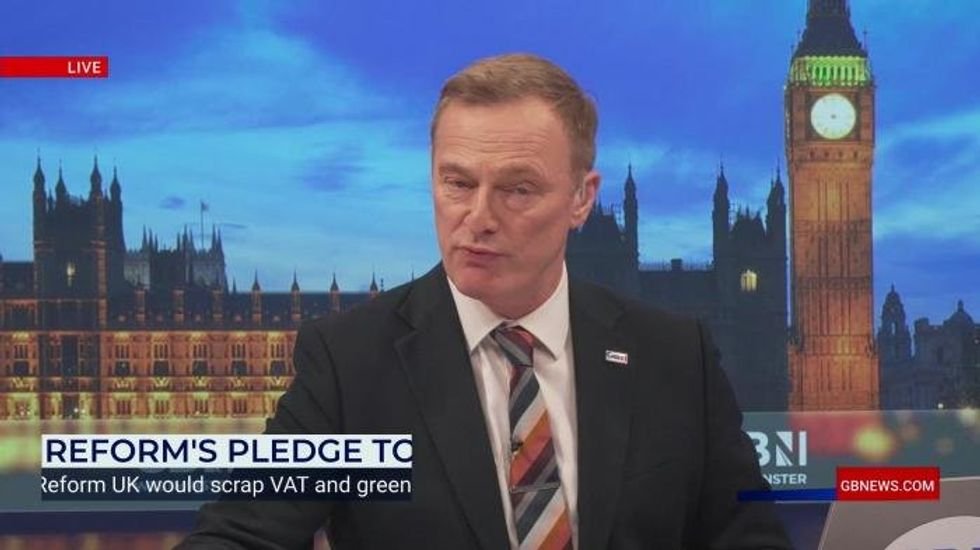
Ed Miliband is exploring how to uncouple electricity prices from gas, potentially bringing bills down by hundreds of pounds, MPs have heard.Speaking on Monday at a meeting of the Parliamentary Labour Party, the Energy Secretary said he believes the move is “complicated, but possible”. Because the UK uses a marginal pricing system, the cost of electricity is set by the final, and most expensive, unit of energy to meet demand at a given time. In 2025, gas set the price of electricity 85 per cent of the time, even though it only generated around a quarter of the total produced. The system means as gas prices increase, so do electricity bills. Renewables firms also benefit from marginal pricing. Under previous payment schemes, they received the wholesale price for electricity regardless, despite their lower running costs. The newer Contracts for Difference scheme sees green generators sell electricity at an agreed price. If the wholesale price is lower, they are paid a subsidy. If it is higher, they pay back the difference. Campaigners are calling for radical change to the way the market is priced. However, because the energy system is so complex, restructuring is difficult. The Government had considered a move to “zonal pricing”, but ruled it out last year. This would have seen the country split into different energy regions. Rather than one national price for electricity, each zone would set the price separately. Ed Miliband is exploring how to uncouple electricity prices from gas | GB NEWSIn theory, this meant areas with plentiful renewables would have lower costs, providing the wind was blowing. Green energy trade association Renewable UK warned the move “could send negative investment signals and jeopardise the transition to a renewables based system”. Labour opted to keep one national price. Greg Jackson, CEO of Octopus Energy, had championed zonal pricing and said after it was ruled out: “Electricity bills are spiralling and zonal pricing would have reversed that.” Mr Miliband is now understood to be looking at a proposal from eco-tycoon Dale Vince. It suggests a new bidding system that would stop gas from setting the wholesale price. Mr Vince’s “Breaking the Link” report stated that allowing gas to set the price so frequently had added £43billion to UK energy bills in 2023, or £367 per household. He proposed a scheme where generators are paid the price they bid to sell electricity, rather than a sum based on the highest market price.The Energy Secretary believes the move is ‘complicated, but possible’ | SUPPLIEDHe argues this would be better value for consumers and also showcase the cheaper cost of renewables. He told Sky News: “We’ve got to solve the cause – that’s the crazy link. This won’t be the last energy crisis of this decade; we will have more. If we sort out the market now, we can insulate ourselves…and make our bills more affordable and stable.” Various other proposals have been mooted, including taking clean power generators out of the wholesale market and running gas generators on a regulated model “that stops crisis profiteering”. Think-tank Common Wealth estimates this move could reduce bills by £203 per year. At Monday night’s PLP meeting, Mr Miliband reportedly said he was committed to exploring the measure, although he could not confirm it was achievable. Any move would have to be “fair to all consumers”, it is understood. Labour MP for Stroud, Simon Opher, said: “Cutting the link between gas prices and electric bills could save consumers hundreds of pounds a year and show that our government is serious about alleviating the cost of living crisis.” A spokesman for the Department for Energy Security and Net Zero said: “The only way to bring down energy bills for good is with the government’s clean energy mission, which will get the UK off the rollercoaster of fossil fuel prices and onto homegrown power that we control. Renewables have already cut the amount of time gas sets the wholesale price of electricity in Britain by about a third since the early 2020s – and will help to rapidly decouple electricity from gas prices.”