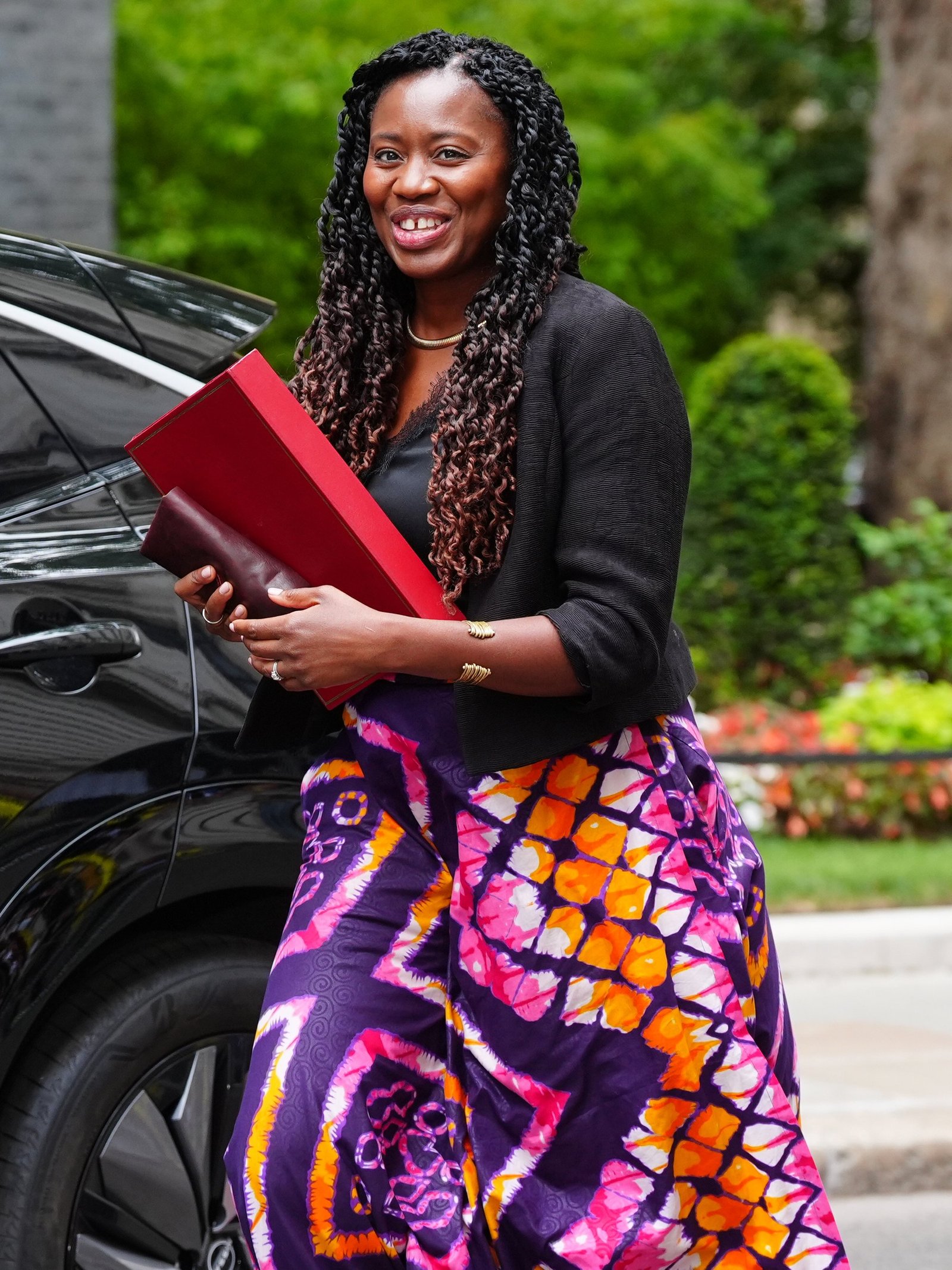
Andy Burnham is said to be preparing to ease several of Labour’s Net Zero commitments in response to the cost of living crisis.Rules around electric car sales could be significantly weakened, potentially allowing half of all new vehicles sold by 2030 to still have petrol engines.Right now, only 20 per cent of new cars sold that year will be allowed to run on fossil fuels.Energy Secretary Miatta Fahnbulleh has indicated she will not stick to her predecessor Ed Miliband’s target of nearly eliminating fossil fuels from Britain’s power supply by 2030 if doing so would push up household bills.Ms Fahnbulleh warned The Times of an “affordability challenge” facing hard-working Britons which ministers will have to address.She indicated the clean power target, commonly panned as ‘Net Stupid Zero lunacy’ by Reform UK’s Richard Tice, could be let slip by a year or two if that meant lower costs for consumers.”We need to keep momentum [towards clean power],” she said. “But we’ve also got to do it in a way that works for people. And that is about affordability.”Mr Miliband had pledged to generate sufficient green energy to cover 95 per cent of Britain’s electricity demand by 2030, alongside a promise to cut bills by £300.Energy Secretary Miatta Fahnbulleh has indicated she will not stick to her predecessor Ed Miliband’s target of nearly eliminating fossil fuels from Britain’s power supply by 2030 | PAWhen asked whether she would prioritise meeting that target even if it meant higher bills, Ms Fahnbulleh said: “In the end, my job is to do the transition in a way that works for people’s pockets.”Candidly, my job is to keep people with us. So 81 per cent of the public believe that renewables are a good thing and support it. I need to keep that number. And the way I do that is to say to people, we are doing the hard trade-offs to make sure that we are doing this transition in a way that still delivers affordability.”The Department for Transport is also reviewing the zero-emission vehicle mandate, which sets annual targets for electric car sales, after demand grew more slowly than expected.This year’s requirement is for 33 per cent of new vehicles sold to be fully electric, rising to 80 per cent by 2030 – when purely petrol and diesel cars will be banned.A consultation launching next week will propose reducing the 2030 target to 70, 60 or even 50 per cent, after repeated warnings from carmakers who say the mandate is too demanding.
NET ZERO MADNESS – READ MORE:
Miatta Fahnbulleh could row back from Ed Miliband’s pledges if bills rose too highly | GETTYA source close to the plans told The Times there was a “recognition” that natural demand for electric vehicles had not materialised as originally planned.But Tanya Sinclair, the chief executive of Electric Vehicles UK, told manufacturers to ignore the slump in demand and press on.”Car manufacturers are among the biggest and most sophisticated marketers in the world. Claims that demand simply isn’t there ring hollow. They know better than most that demand doesn’t just appear, it is built,” she said.Data from the Society of Motor Manufacturers and Traders (SMMT) showed 43,106 battery electric cars were registered last month, capturing 27.5 per cent of the market, while petrol vehicles led with 62,799 registrations at 40.1 per cent.To date, battery electric vehicles account for just 25.31 per cent of registrations – well below the 33 per cent mandate.The chief executive of Electric Vehicles UK urged carmakers to ignore the slump in demand and press on | OCTOPUS ELECTRIC VEHICLESSMMT chief Mike Hawes said: “That progress cannot be sustained if manufacturers continue haemorrhaging billions in EV discounts, distorting demand to avoid even steeper penalties. “We need urgent reform of the regulation, else Britain risks undermining its competitiveness.”Industry forecasts suggest household energy bills could climb by £50 to £100 by the end of the decade as costs of building renewable infrastructure are passed on.Some in Whitehall are concerned that prices could be inflated by Labour’s “mission” to ensure that at least 95 per cent of Britain’s electricity came from renewable sources by 2030.Ms Fahnbulleh said that mission was still in place – and would bring down bills in the long-term by decoupling from the oil and gas market.