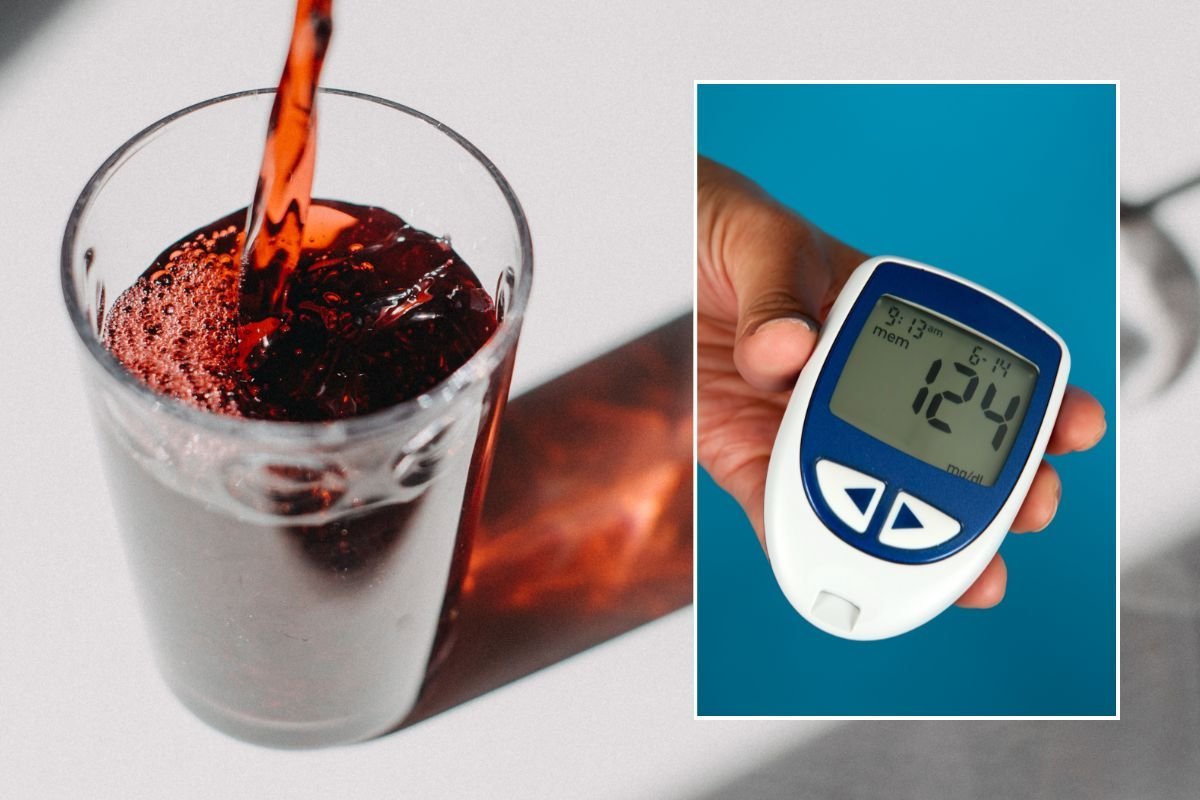
Water has always been the gold standard for metabolic health, but a less obvious contender for blood sugar is pomegranate juice. Registered dietitian at MyHealthTeam, Avery Zenker, points to a particular study which found that a single dose reduced fasting blood sugar and raised insulin levels in healthy participants, highlighting a possible role in blood sugar regulation.Similar benefits have been observed in people with type 2 diabetes, the dietitian told GB News, with the juice’s antioxidant properties thought to help protect pancreatic cells and improve insulin sensitivity.Compounds in pomegranate juice may help blunt blood sugar spikes | GETTYThe fruit is also rich in polyphenols like punicalagin, compounds Ms Zenker notes can inhibit the enzymes responsible for breaking down carbohydrates – potentially blunting the blood sugar spikes that follow meals.Beyond pomegranate juice, the wider evidence on drinks and diabetes risk is becoming increasingly clear too.Water, black coffee and tea consistently rank among the best choices thanks to their polyphenols, which may improve insulin sensitivity.Regular water intake, on the other hand, has been associated with a 23 per cent lower mortality risk in people with type 2 diabetes.By contrast, sugary drinks carry a consistent risk of developing type 2 diabetes. In fact, each additional 200ml daily serving of a sweetened drink, whether that’s cola, lemonade or an energy drink, has been linked to a 20 per cent higher risk of type 2 diabetes.Sugar-sweetened drinks, on the other hand, have more broadly been linked to an 18 per cent higher risk of the disease.A standard can of full-sugar cola contains 35 grams of sugar, which exceeds the NHS’s recommended daily maximum for adults.Fruit juice is best limited too, given its rapidly absorbed sugar content.Ms Zenker warned that alcohol carries similar risks, with excessive consumption linked to reduced insulin sensitivity and a higher risk of chronic pancreatitis.Sugary drinks carry a consistent risk of developing type 2 diabetes | GETTYShe stressed that no single food or drink should ever be relied on in isolation, however.Dietary changes can significantly improve blood sugar control, but are more effective when combined with attention to other key factors like sleep and exercise, all of which influence blood sugar response.